

ENT Fellowship in Mumbai
6 जुलाई 2026
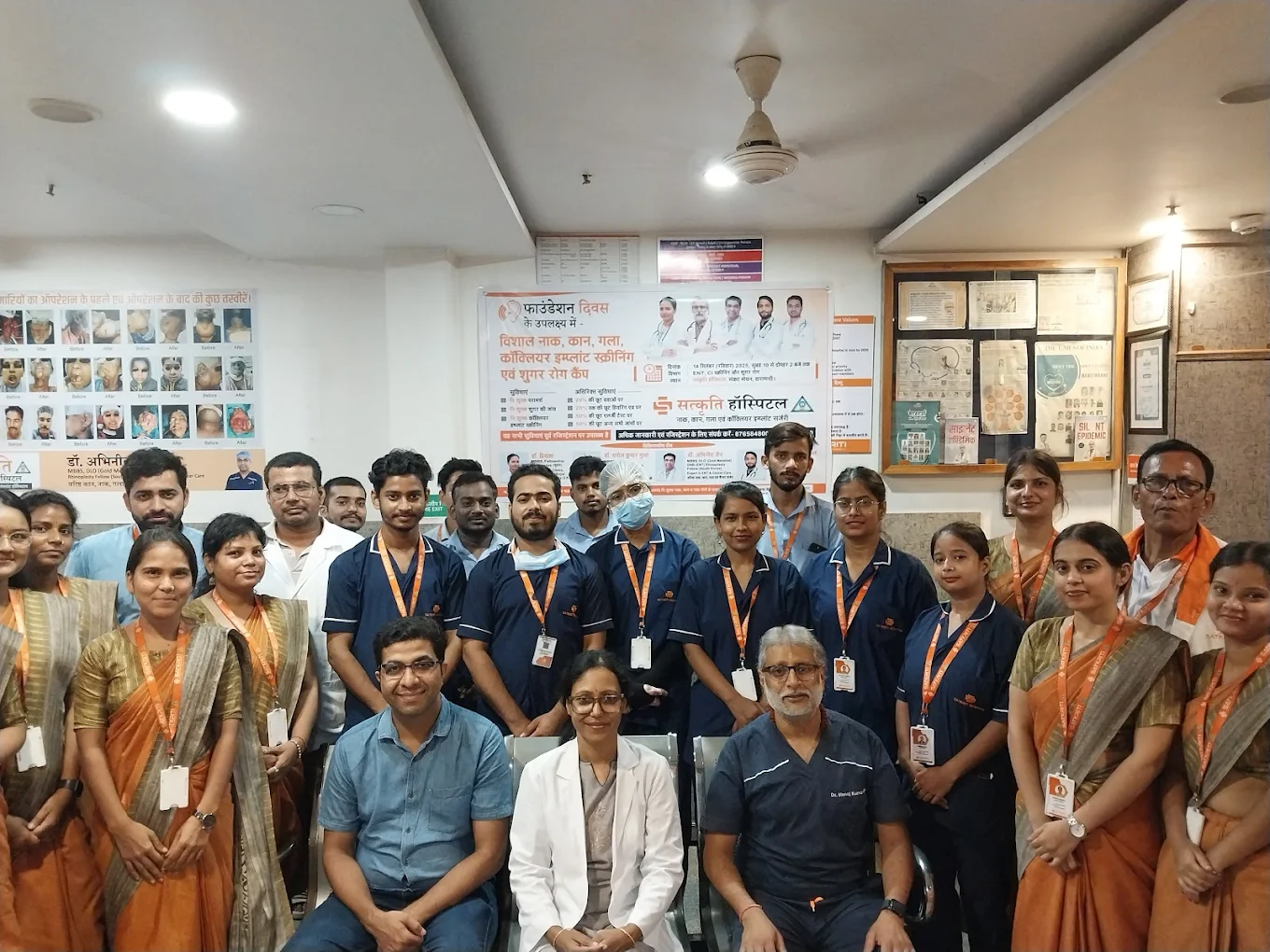
Mumbai is one of India’s leading medical education and healthcare hubs, offering excellent opportunities for doctors seeking advanced training in Otorhinolaryngology (ENT). An ENT fellowship in Mumbai provides hands-on experience, exposure to complex clinical cases, advanced surgical training, research opportunities, and interaction with experienced faculty.
Whether you are an MS/DNB ENT graduate looking to subspecialize or a practicing ENT surgeon aiming to enhance your skills, Mumbai offers fellowship programs in almost every major area of otolaryngology.
This comprehensive guide covers everything you need to know about ENT fellowships in Mumbai, including eligibility, subspecialties, top hospitals, curriculum, application process, duration, career opportunities, salary expectations, and tips for choosing the right fellowship.
Why Choose Mumbai for an ENT Fellowship?
Mumbai is home to some of India’s busiest tertiary care hospitals and teaching institutions. Every year, thousands of patients from across India and neighboring countries visit these centers for advanced ENT treatment.
Some major advantages include:
- High patient volume
- Diverse clinical exposure
- Advanced surgical technology
- Experienced faculty
- Academic environment
- Research opportunities
- Multidisciplinary teamwork
- Better career networking
- Exposure to rare ENT diseases
- Opportunities in robotic and endoscopic surgery
The city allows fellows to learn not only routine ENT procedures but also highly specialized surgeries rarely encountered elsewhere.
What is an ENT Fellowship?
An ENT fellowship is an advanced, focused training program pursued after completing:
- MS (ENT)
- DNB (ENT)
- Equivalent recognized qualification
Unlike residency, fellowships concentrate on a specific subspecialty and provide extensive practical exposure under senior consultants.
The aim is to develop expertise in:
- Diagnosis
- Surgical skills
- Clinical decision-making
- Research
- Patient management
- Advanced technology
Eligibility Criteria
Most institutes require:
- MS ENT or DNB ENT
- Registration with the National Medical Commission (NMC)
- Good academic record
- Interview or entrance assessment
- Recommendation letters (in some institutes)
- Updated CV
International candidates may require additional documentation depending on institutional policies.
Duration of ENT Fellowships
Most fellowships last:
- 6 months
- 1 year
- 18 months
- 2 years
The duration depends upon the subspecialty and institute.
Longer fellowships generally provide greater surgical exposure and independent operating experience.
Major ENT Fellowship Specializations
1. Otology Fellowship
Focus Areas
- Chronic ear disease
- Hearing loss
- Cochlear implantation
- Tympanoplasty
- Mastoidectomy
- Ossiculoplasty
- Skull base surgery
- Vertigo management
Skills Learned
- Microscopic ear surgery
- Endoscopic ear surgery
- Hearing rehabilitation
- Implant surgery
- Facial nerve preservation
2. Neurotology Fellowship
This advanced fellowship focuses on diseases involving:
- Inner ear
- Vestibular system
- Skull base
- Facial nerve
Training includes:
- Acoustic neuroma
- Vestibular disorders
- Facial nerve disorders
- Temporal bone surgery
3. Rhinology Fellowship
One of the most popular ENT fellowships.
Training includes:
- Functional Endoscopic Sinus Surgery (FESS)
- Endoscopic skull base surgery
- Nasal polyps
- Septoplasty
- Turbinate surgery
- Sinus disorders
- CSF leak repair
Advanced exposure includes:
- Navigation-assisted surgery
- Revision sinus surgery
- Allergy management
4. Skull Base Surgery Fellowship
Highly specialized training covering:
- Endoscopic skull base surgery
- Tumor removal
- Pituitary surgery
- CSF leak repair
- Multidisciplinary neurosurgical procedures
5. Head and Neck Surgery Fellowship
Ideal for surgeons interested in oncology.
Training includes:
- Oral cancer
- Laryngeal cancer
- Thyroid surgery
- Salivary gland surgery
- Neck dissection
- Reconstruction
Skills include:
- Microvascular surgery
- Free flap reconstruction
- Oncology protocols
6. Laryngology Fellowship
Focus areas include:
- Voice disorders
- Airway disorders
- Vocal cord paralysis
- Laser surgery
- Phonosurgery
- Airway reconstruction
7. Pediatric ENT Fellowship
Training involves:
- Pediatric airway disorders
- Tonsil surgery
- Adenoid surgery
- Congenital anomalies
- Pediatric hearing loss
- Cochlear implants
- Tracheostomy care
8. Sleep Surgery Fellowship
Growing rapidly due to increasing awareness of sleep disorders.
Training includes:
- Obstructive Sleep Apnea
- Sleep endoscopy
- CPAP evaluation
- Tongue base surgery
- Palatal surgery
- Robotic sleep surgery
9. Cochlear Implant Fellowship
Training includes:
- Candidate selection
- Surgical implantation
- Programming
- Rehabilitation
- Pediatric hearing management
Clinical Exposure
An ENT fellow in Mumbai may see patients with:
- Hearing loss
- Ear infections
- Sinusitis
- Allergic rhinitis
- Nasal obstruction
- Thyroid disorders
- Oral cancers
- Head and neck tumors
- Voice disorders
- Vertigo
- Sleep apnea
- Facial nerve disorders
- Skull base tumors
The large patient load helps fellows gain confidence in handling both common and rare conditions.
Surgical Training
Most fellowships emphasize supervised surgical training.
Common procedures include:
Ear Surgery
- Tympanoplasty
- Mastoidectomy
- Ossiculoplasty
- Stapedotomy
- Cochlear implant
Nasal Surgery
- FESS
- Septoplasty
- Turbinate reduction
- DCR
- Endoscopic skull base procedures
Head & Neck
- Thyroidectomy
- Neck dissection
- Laryngectomy
- Parotidectomy
- Oral cancer surgery
Pediatric
- Adenoidectomy
- Tonsillectomy
- Airway surgery
Laryngology
- Microlaryngoscopy
- Laser surgery
- Injection laryngoplasty
Academic Activities
Most institutes conduct:
- Journal clubs
- Case discussions
- Grand rounds
- Tumor board meetings
- Seminars
- Surgical video discussions
- Mortality meetings
- Clinical audits
Regular participation improves evidence-based practice.
Research Opportunities
Many fellowships encourage:
- Clinical research
- Publications
- Poster presentations
- National conferences
- International conferences
- Thesis projects
- Clinical trials
Research experience strengthens academic and consultant career prospects.
Technology Used During Training
Modern ENT fellowships expose trainees to:
- Operating microscopes
- Endoscopic systems
- Coblation technology
- Navigation systems
- LASER surgery
- Robotic surgery
- High-definition imaging
- Cochlear implant technology
- Audiology equipment
- Vestibular testing systems
Learning these technologies prepares fellows for modern ENT practice.
Work Schedule
The routine may include:
Morning
- Ward rounds
- Outpatient clinics
Afternoon
- Operating theatre
- Procedures
Evening
- Academic sessions
- Emergency duties
- Patient reviews
Emergency calls may involve:
- Epistaxis
- Airway emergencies
- Neck infections
- Trauma
- Foreign body removal
Skills You Develop
An ENT fellowship improves:
Clinical skills
- Diagnosis
- Patient counseling
- Surgical planning
Technical skills
- Microsurgery
- Endoscopic surgery
- Laser procedures
Professional skills
- Communication
- Leadership
- Teamwork
- Ethics
- Documentation
Academic skills
- Research
- Teaching
- Presentation
Career Opportunities After Fellowship
Graduates may work as:
- Consultant ENT Surgeon
- Head and Neck Surgeon
- Skull Base Surgeon
- Rhinologist
- Otologist
- Neurotologist
- Pediatric ENT Specialist
- Voice Specialist
- Sleep Surgeon
- Cochlear Implant Surgeon
Employment options include:
- Corporate hospitals
- Government hospitals
- Medical colleges
- Private practice
- Research institutes
- International healthcare organizations
Salary Expectations
Compensation varies depending on:
- Experience
- Fellowship type
- Hospital
- City
- Surgical expertise
Fresh fellowship-trained consultants generally receive higher compensation than general ENT specialists due to advanced expertise.
Private practice income depends upon reputation, patient volume, and specialization.
Advantages of Doing a Fellowship
Benefits include:
- Advanced surgical confidence
- Better career prospects
- Higher earning potential
- Improved patient outcomes
- Academic growth
- Research opportunities
- International recognition
- Leadership roles
- Teaching opportunities
- Professional networking
Challenges During Fellowship
Common challenges include:
- Long working hours
- Intensive surgical training
- Academic responsibilities
- Emergency duties
- Maintaining work-life balance
- Continuous learning
Despite these challenges, the experience significantly enhances clinical competence.
How to Choose the Right Fellowship
Consider the following factors before applying:
- Reputation of the institute
- Faculty expertise
- Surgical case volume
- Hands-on opportunities
- Research support
- Fellowship duration
- Infrastructure
- Availability of advanced equipment
- Alumni success
- Future career goals
A fellowship with excellent surgical exposure often provides greater long-term value than one focused primarily on observation.
Tips for a Successful Fellowship
To maximize your learning:
- Attend every operation possible.
- Read current guidelines and journals regularly.
- Maintain a surgical logbook.
- Participate actively in case discussions.
- Seek feedback from mentors.
- Present research at conferences.
- Learn multidisciplinary patient management.
- Build professional relationships with colleagues and faculty.
- Stay updated with emerging technologies in ENT.
Future of ENT Fellowships in India
The field of otorhinolaryngology is evolving rapidly. Advances in minimally invasive surgery, robotic procedures, artificial intelligence, cochlear implantation, image-guided navigation, and precision medicine are transforming patient care.
As demand for specialized ENT services continues to grow, fellowship-trained surgeons are increasingly sought after in corporate hospitals, academic institutions, and international healthcare settings. Mumbai, with its strong academic ecosystem and high patient volume, remains one of the most attractive destinations for advanced ENT training.
Conclusion
An ENT fellowship in Mumbai is an excellent opportunity for surgeons who wish to gain advanced clinical expertise, master complex surgical procedures, and build a successful career in a chosen subspecialty. With access to experienced mentors, modern technology, high patient volumes, and a strong academic environment, fellows receive comprehensive training that prepares them for leadership roles in clinical practice, research, and medical education.
Choosing the right fellowship should be based on your career aspirations, the quality of surgical exposure, faculty mentorship, research opportunities, and institutional reputation. A well-structured fellowship not only enhances technical skills but also builds confidence, improves patient outcomes, and opens doors to rewarding opportunities in India and abroad. By investing in advanced training, ENT surgeons can stay at the forefront of this rapidly evolving specialty and deliver the highest standard of care to their patients.
लेखक satkriti-admin
टिप्पणी
आपका ईमेल पता प्रकाशित नहीं किया जाएगा। आवश्यक फ़ील्ड * से चिह्नित हैं